
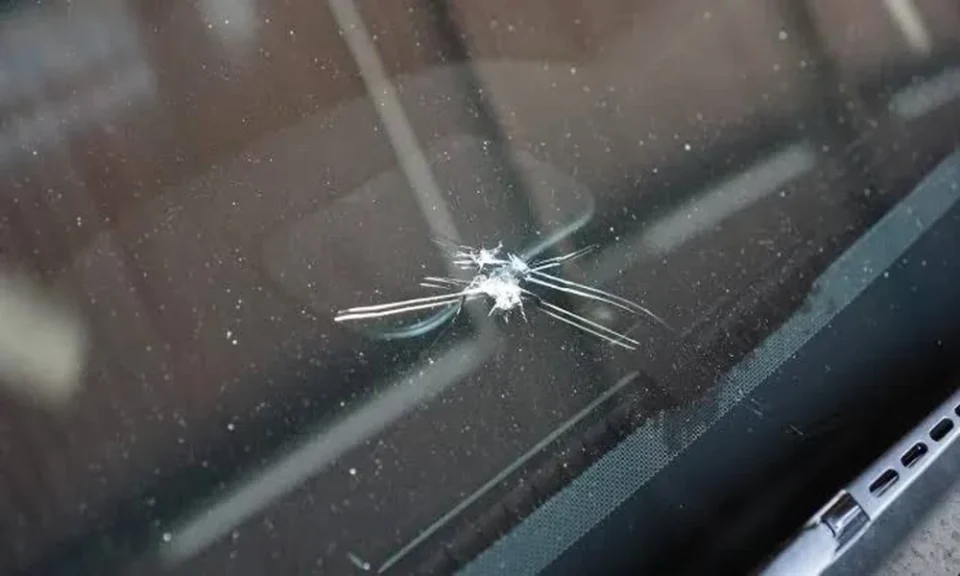
A windshield chip rarely announces itself. There is a sharp tick somewhere on I-4 or US 27, a tiny star appears in the glass and the drive continues as if nothing happened. In most of the country, that chip might sit unchanged for months. In Central Florida, it tends to have a much shorter, more dramatic life, and understanding that timeline is the best way to avoid paying for a full replacement you did not need.
Technicians who spend their days on this work, including the mobile crews at LeeWay Auto Glass serving Davenport and the surrounding region, see the same story play out again and again. A chip that could have been filled in twenty minutes becomes a crack running across the driver’s view within a week or two. The cause is rarely bad luck. It is a predictable mix of heat, road vibration and time.
Here is how that story usually unfolds, stage by stage, and where a driver can step in to change the ending.
The First Second
Most chips come from gravel and debris kicked up by other vehicles. Central Florida’s steady road construction, sand hauling and fast growth mean plenty of loose material on highways. Trucks carrying aggregate and landscaping supplies are frequent culprits, and following too closely behind them raises the odds of a hit.
The windshield itself is laminated glass, two layers of glass bonded to a thin plastic interlayer. That design keeps the glass from shattering into the cabin. It also means most chips only damage the outer layer, which is exactly why so many of them can be repaired rather than replaced.
The First Afternoon
Within hours, the open chip starts collecting dirt, pollen and moisture. Florida’s afternoon storms push water straight into the break. Once grime settles inside, a later resin repair may still hold the glass together, but it often leaves a more visible blemish.
A simple fix helps here. Placing a piece of clear tape over the chip keeps out water and dirt until a technician can look at it. It costs nothing and makes a cleaner repair more likely.
The First Week
This is the stage where Florida does its damage. A parked car in summer sun can heat its dashboard and lower windshield to temperatures far above the outside air. Then the driver climbs in and blasts the air conditioning straight at the glass. The inside surface cools quickly while the outside stays hot. That sudden difference creates stress, and stress concentrates at the weakest point, which is the chip.
Add potholes, rail crossings and the constant flex of the car body, and a small star can sprout legs. Some cracks grow slowly. Others jump several inches in a single afternoon.
Drivers can slow this down by parking in shade when possible, using a sunshade and letting the AC start on a lower setting before aiming vents at the windshield.
The Decision Point
Eventually the question becomes repair or replace. There is no single rule, but many technicians use similar guidelines. Repair is usually possible when:
- The chip is about the size of a quarter or smaller.
- A crack is short, often under six inches.
- The damage sits outside the driver’s direct line of sight.
- The break is not touching the edge of the glass, where stress is highest.
Damage that fails these tests usually calls for a new windshield. A crack directly in front of the driver can distort vision even after repair, and edge cracks tend to keep spreading no matter what resin goes into them.
The Insurance Conversation
Florida drivers have an advantage many others lack. Under section 627.7288 of the Florida Statutes, the deductible on a Florida motor vehicle policy with comprehensive coverage does not apply to windshield damage. In practice, that means many drivers with comprehensive coverage can replace a damaged windshield without paying a deductible.
The protection applies to the windshield, not every piece of glass on the car, and it only covers policies issued in Florida with comprehensive coverage. Checking the declarations page before filing a claim takes a minute and avoids surprises. Florida also prohibits assigning post-loss glass benefits to a repair shop, so the claim stays between the policyholder and the insurer.
The New Glass and the Camera Behind It
Replacing a windshield on a recent vehicle is no longer just glass work. Many cars now have a forward-facing camera mounted behind the windshield near the rearview mirror. That camera feeds features such as lane departure warning, lane keeping assistance and automatic emergency braking. The National Highway Traffic Safety Administration explains how these driver assistance systems warn drivers or step in to help avoid crashes.
When the windshield changes, the camera’s view changes too, even by a fraction of a degree. Calibration realigns the system so it reads lane markings and distances correctly. Asking whether calibration is included, and whether it will be done on the spot or at a separate appointment, is one of the most important questions a driver can ask before scheduling a replacement.
The Days After Installation
New windshields are held in place by urethane adhesive that needs time to cure. Installers give a safe drive away time, which depends on the product and the weather. Respecting it matters, because the bonded windshield helps support the roof in a rollover and helps the passenger airbag deploy correctly.
Many installers also suggest leaving retention tape in place for a day, cracking a window slightly the first time a door is closed to ease cabin pressure and skipping high pressure car washes for a short period. Small habits like these protect the seal while it reaches full strength.
Rewriting the Ending
Every Florida windshield chip follows roughly the same path, but the ending is not fixed. Covering the chip, keeping cabin temperatures from swinging wildly and getting it looked at within days rather than weeks gives a repair the best chance. When replacement is unavoidable, knowing the insurance rules and asking about camera calibration turns a stressful errand into a routine one. That tiny tick on the highway does not have to become a crack across the whole windshield.
