
Rainy weather can make even the tidiest home difficult to maintain. Wet shoes leave muddy footprints across the floor, damp jackets pile up near the entrance, and pets bring outdoor dirt into the living room. When these problems continue for several days, ordinary housekeeping can become surprisingly time-consuming. Homeowners considering additional cleaning assistance can explore cleanmyspacect.com/ while looking for ways to manage the extra work. Fortunately, a few practical adjustments can help protect your floors, furniture, and other household surfaces from the mess that comes with wet weather.
Stop the Mud Before It Crosses Your Door
The entrance is your home’s first line of defense against rainy-day messes. Without a convenient place to remove wet shoes and outerwear, dirt can quickly spread into surrounding rooms.
Place a durable doormat outside the entrance to remove larger particles of mud and debris. Inside, use an absorbent mat designed to handle moisture without sliding across the floor.
Keep a shoe rack or waterproof tray nearby so wet footwear has somewhere to sit while drying. This prevents puddles from forming beneath shoes and makes the entrance easier to clean.
If you have children, establish a simple habit of removing muddy shoes before entering carpeted areas. The same approach works for adults returning from gardening, walking, or outdoor activities.
A small towel near the entrance can also be useful for wiping wet bags and other belongings.
Muddy Floors Need More Than a Quick Mop
When dirt gets tracked indoors, immediately reaching for a wet mop isn’t always the best solution. Depending on the flooring material, spreading muddy water around can make the situation worse.
For hard floors, begin by removing larger pieces of debris. Once the mud has dried, loose dirt can often be swept or vacuumed away more easily.
Use a suitable cleaner afterward to remove remaining marks. Hardwood and laminate flooring require particular care because excessive moisture can penetrate joints and damage some finishes.
Carpets present a different challenge. For ordinary surface mud, allowing it to dry before carefully vacuuming can help avoid spreading the soil. However, heavily saturated carpeting requires prompt attention to prevent moisture from remaining trapped.
Avoid aggressive scrubbing, especially on delicate carpet fibers. Always check manufacturer recommendations before using stain removers.
Give Wet Coats and Umbrellas Somewhere to Dry
Rainy weather creates another household problem: damp belongings that have nowhere suitable to go.
Coats left on upholstered chairs can transfer moisture to the fabric. Umbrellas placed directly on hardwood floors may leave puddles, while wet backpacks can dampen nearby furniture.
Set up a designated drying area near your entrance or laundry room. Hooks, a waterproof umbrella stand, and a washable floor mat can make the space more practical.
Hang coats separately whenever possible so air can circulate around them. Avoid packing wet garments tightly into closets, where they may remain damp for longer.
Check the area beneath drying items periodically and wipe away any standing water.
These arrangements require very little space but can prevent moisture from spreading throughout the house.
Keep Pets From Bringing the Outdoors Inside
Dogs don’t stop needing walks just because it’s raining. Unfortunately, muddy paws and damp fur can leave an impressive mess behind.
Keep a clean, absorbent towel near the door for wiping your pet’s paws and underside after outdoor activities.
Pay particular attention to the spaces between paw pads, where small amounts of dirt may remain trapped. Check for stones or other debris that could cause discomfort.
If your pet regularly comes home soaked, establish a drying area with washable towels or mats before allowing them onto furniture.
Pet bedding may also need more frequent attention during rainy periods. Follow the manufacturer’s washing instructions and allow everything to dry completely before use.
For busy households struggling with accumulated floor dirt and general cleaning, professional services found through http://www.geauxmaids.com may be worth exploring.
Keeping pet-related messes contained can make the rest of your housekeeping considerably easier.
Watch for Moisture Hiding in Unexpected Places
Rain doesn’t always enter a home through an obvious puddle. Moisture may collect around poorly sealed windows, beneath exterior doors, or near areas affected by plumbing problems.
Check window sills after heavy rainfall. If you notice water collecting repeatedly, determine where it is entering rather than simply wiping it away.
Pay attention to damp spots around doors, especially where weatherstripping may be worn or damaged.
Closets along exterior walls can also develop moisture problems when ventilation is limited or water enters through the building envelope.
A persistent musty smell, peeling paint, or recurring damp patches may indicate an issue that requires professional investigation.
Household cleaning can remove surface dirt, but it cannot repair a roof leak, damaged seal, or other structural moisture problem.
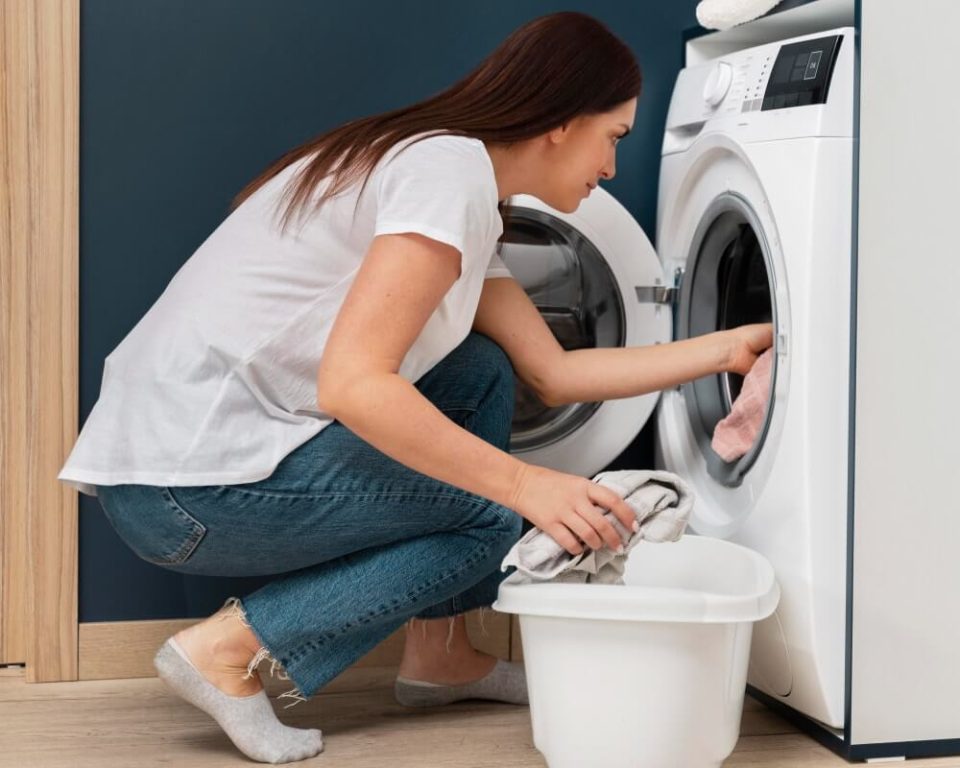
Don’t Let Damp Laundry Take Over
Rainy days can complicate laundry, particularly for households that normally dry clothes outdoors.
When drying items indoors, avoid overcrowding racks or placing damp clothing directly against walls. Good airflow helps fabrics dry more efficiently.
If you use a tumble dryer, follow the appliance’s loading and ventilation instructions. Clean the lint filter as recommended and make sure the exhaust system is properly maintained.
Wet towels deserve special attention. Leaving them in a pile can create unpleasant odors, even when they were clean before being used.
Hang towels individually when possible, and wash them if they develop a persistent smell.
For homes with limited ventilation, a properly sized dehumidifier may help control excess indoor humidity. Empty and clean its reservoir according to the manufacturer’s instructions.
Make the Most of a Day Spent Indoors
Rainy weather sometimes provides an opportunity to address household tasks that are easy to postpone during busier weeks.
Rather than attempting to clean the entire house, choose a project that can be completed comfortably in an hour or two.
You might reorganize a crowded kitchen drawer, wash removable cushion covers, or sort through old paperwork that has accumulated on a desk.
Kitchen cabinets are another practical project. Remove expired ingredients, wipe accessible shelves, and arrange frequently used items where they are easier to reach.
If you’re spending more time indoors, consider laundering blankets and throws that receive heavy use during colder weather.
Choose tasks that don’t require opening windows for extended periods or introducing unnecessary moisture into the house.
The idea is to accomplish something useful without turning a quiet day indoors into an exhausting cleaning session.
Give the Entryway a Final Check After the Storm
Once the rain stops, it’s worth inspecting the areas that experienced the heaviest traffic.
Shake out washable entrance mats and clean them according to their care instructions. Check beneath them for trapped moisture, especially on wood or laminate flooring.
Wipe down shoe trays and allow wet footwear to dry before returning everything to storage.
Inspect door thresholds and nearby baseboards for dirt or water marks that may have gone unnoticed during the storm.
If outdoor conditions are suitable, opening windows briefly can help refresh indoor air. However, avoid doing so when outdoor humidity or air quality is poor.
Finally, put away drying towels, umbrellas, and other items that were temporarily left near the entrance.
Restoring these spaces after each rainy period prevents the next storm from adding to an existing mess.
Keep Your Home Comfortable Whatever the Weather
Rainy days don’t have to mean muddy floors, damp furniture, and constant cleanup. Much of the extra work can be prevented by managing moisture and dirt before they spread throughout the house.
A well-prepared entrance, sensible drying arrangements, and prompt attention to damp areas can protect household surfaces and reduce unnecessary cleaning.
When the weather clears, a brief inspection can help catch anything you’ve overlooked. With these practical habits in place, you can enjoy a rainy afternoon indoors without worrying about the mess waiting for you afterward.
