
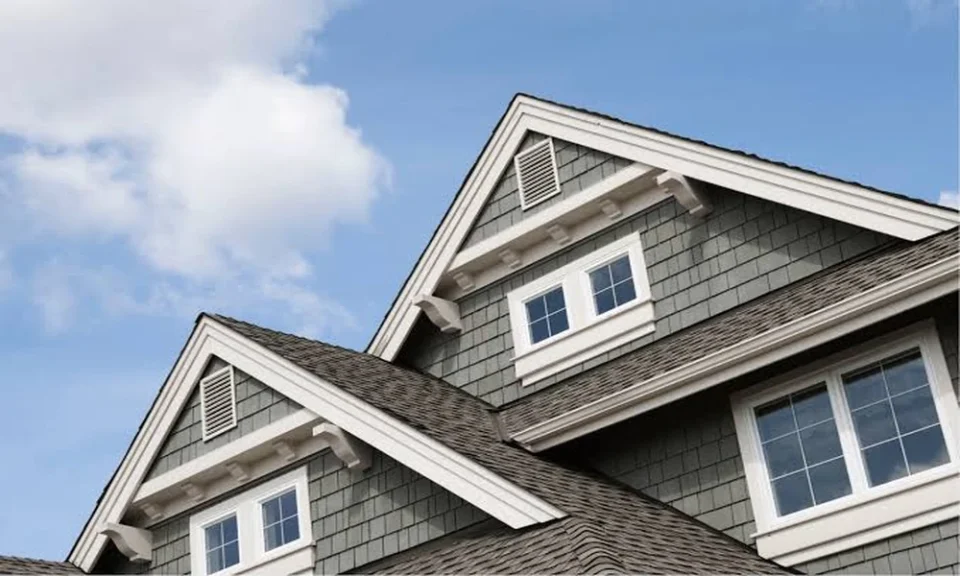
By lunchtime on tear off day, the old shingles are piled in a dumpster and the house is wearing nothing but bare wood and a few stubborn nails. For a few hours, a homeowner can see the whole skeleton of the roof. Then the new layers go down, and most of what decides how long that roof lasts gets covered for the next twenty years or more.
That’s the odd thing about a new roof. The part everyone chooses, the color and profile of the shingle or panel, is the final and arguably least technical step. The work that keeps water out of the attic sits underneath it.
It’s also why any real conversation about roof installation in New Braunfels should reach well past color swatches. Barbarian Roofing, a licensed and insured crew based in town, opens that conversation with a free inspection, builds with systems from makers such as GAF, Owens Corning, CertainTeed and IKO, and folds in gutter and siding work when a house needs it. Whoever you hire, the hidden layers below are where good and bad install part ways.
Bare wood tells the truth
The decking, usually plywood or OSB sheathing, is the foundation everything else is nailed into. With the old roof gone, its condition becomes obvious. Rot tends to show up along the eaves where clogged gutters spilled over, around bathroom fans that vented moist air into the attic, and beneath old leaks that were patched from above but never dried out below.
Older homes near the historic core of town sometimes have plank decking with gaps between the boards. Shingles need a solid surface, so those roofs often get a new layer of sheathing over the planks. A fair contract spells out a per sheet price for decking replacement before work begins, so a few rotten panels don’t become a surprise on the final invoice.
This is also why tear off matters. New Braunfels works under the 2021 International Residential Code, which caps how many layers can stack up, and layering new shingles over old hides the one surface that most needs inspecting.
The membrane doing the real waterproofing
Shingles shed water, but underlayment is the backup that catches what gets past them. Traditional felt paper still exists, though most crews in Central Texas have moved to synthetic underlayment. It tears less easily, weighs less and tolerates a few days of exposure if a thunderstorm interrupts the job. Felt also tends to wrinkle under summer sun, and those ripples can telegraph through the finished shingles.
Roof pitch changes the rules. On gentle slopes between 2 and 4 inches of rise per foot, code calls for a double layer of underlayment because water moves slowly there. Self adhering membrane goes into valleys and around chimneys and skylights. Up north that product guards against ice dams, while here it earns its keep against sideways, wind driven rain.
Edges and the order of the day
A well run install follows a predictable rhythm, and knowing it helps a homeowner spot shortcuts.
- The old roofing comes off, debris is hauled away and the yard gets swept with a magnet for stray nails.
- Damaged decking is cut out and replaced.
- Drip edge goes on at the eaves, underlayment follows, and drip edge at the rakes laps over the underlayment.
- Valleys and penetrations get their membranes.
- Starter strips, field shingles and flashing go down together.
- Ridge vents and caps finish the top before final cleanup.
Drip edge is required on asphalt shingle roofs, and it keeps water from curling back under the shingles into the fascia. Starter strips along the eaves and rakes create the first sealant line, which matters because wind lifts roofs from the edges first. Nailing deserves attention as well. Many manufacturers require six nails per shingle rather than four to qualify for their higher wind warranties, and nails driven too high or too deep remain a leading cause of blow offs.
Flashing is where leaks are born
Most roof leaks don’t start in the middle of a slope. They begin where the roof meets something else. Step flashing should be woven into each course where the roof runs up a wall, chimneys need counterflashing tucked into the masonry, and every plumbing vent needs a boot.
Standard rubber pipe boots often crack within a decade under Texas UV. Upgraded boots made with lead or silicone collars last much longer for a small added cost. It’s also worth asking whether old flashing will be replaced or reused, since bent, rusted metal undercuts an otherwise new roof.
The surface layer and the hail question
Only now does the visible material come into play, and around here hail shapes that choice. Shingles and metal panels are graded for impact under the UL 2218 standard, with Class 4 at the top. The Texas Department of Insurance explains how qualifying impact resistant roofing can earn premium credits, and the installer typically fills out a state form confirming the product after the work is done. Each insurer sets its own discount, so calling your carrier before choosing a product can change the math.
Heat matters almost as much. Reflective shingle granules and lighter metal finishes reduce how much sun the roof absorbs, which eases attic temperatures through the long August stretch.
The attic has to breathe
A roof can be installed flawlessly and still age early if the attic traps heat. Code sets ventilation at roughly 1 square foot of net vent area per 150 square feet of attic, or half that when intake and exhaust are balanced. In practice, that means soffit vents drawing air in low and a ridge vent letting it out high.
Mixing exhaust types causes trouble. A powered attic fan sitting near a ridge vent can pull air through the ridge instead of the soffits, leaving hot pockets behind. Many shingle warranties also require adequate ventilation, so this detail carries financial weight.
What should remain when the crew leaves
Inside city limits, a roof replacement generally goes through Development Services for a permit and final inspection. Properties out in the extraterritorial jurisdiction or unincorporated county can follow different rules, and homes in the downtown historic district may face review if the roofing material changes noticeably.
The paperwork is worth keeping in one folder. That includes the permit record, the manufacturer warranty registration, the separate workmanship warranty, and any impact resistance documentation for your insurer. Ask the crew for photos at the decking and underlayment stage too. Those pictures are the only proof of what sits beneath the shingles, and years from now, during a sale or after a storm, they can answer questions that nobody will be able to see.
