
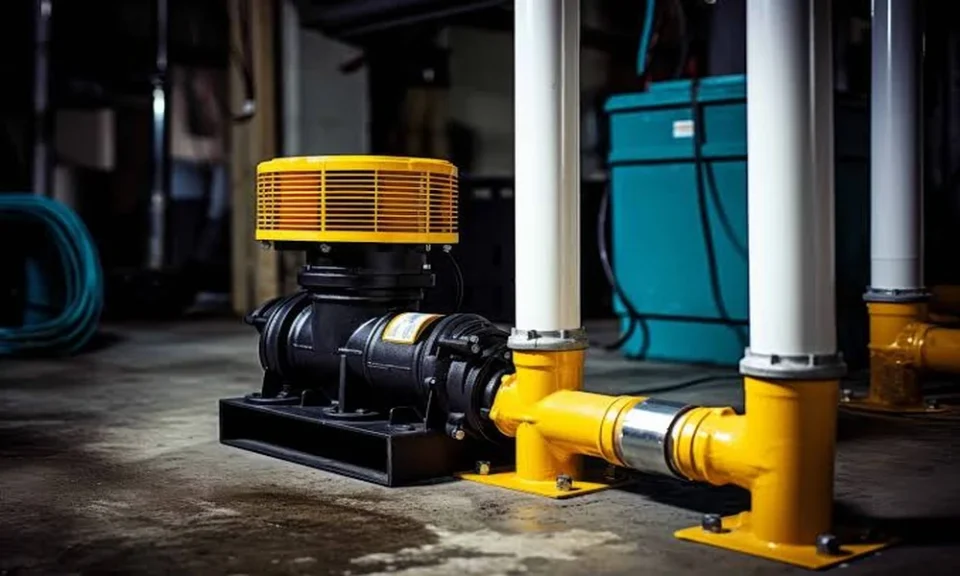
Pilots don’t trust memory. Before every flight they run a checklist, because the moment you need a system to work is the worst moment to discover it doesn’t. A sump pump deserves the same treatment. It sits quietly in a pit for months, then has to perform perfectly during the heaviest rain or the fastest snowmelt of the year.
This checklist turns that idea into a routine you can run in about twenty minutes. If any item fails, you’ll know before the storm, not during it. And if you’d rather have a pro run the check, a local plumbing company such as All-Pro Plumbing Services in Fishers installs, repairs and tests sump pumps and battery backup systems for homes across the north Indianapolis area.
Why This Check Matters
North Dakota State University Extension calls a sump pump the first line of defense for many homeowners against water seeping into the basement. In its guidance on checking your sump pump, NDSU’s agricultural engineers point out that pumps which haven’t run for a year or two can fail when finally needed. Two common culprits are damaged or rusted bearings in the motor, and a float switch that doesn’t make good electrical contact and turns on slowly or not at all.
The same advice applies in Indiana, where spring thaws and heavy rain can bring a quick rise in groundwater.
Before You Begin: Safety Call
Water and electricity share this checklist, so keep it safe:
- Keep hands, tools and clothing clear of the pump while it is plugged in.
- Never stand in standing water near electrical outlets or cords.
- If the pit is full of water and the pump isn’t running, don’t reach in. Call a plumber.
Item One: The Exit (Discharge Line)
Check: Walk outside and find where the discharge pipe ends.
Go: The pipe is clear and aims water away from the house.
No go: It’s clogged with debris, frozen, crushed, or dumping water right beside the foundation.
NDSU’s first step is exactly this one: make sure the discharge pipe outside isn’t plugged and that it directs water away from the house. Local rules vary on discharging into the sanitary sewer, so check before redirecting anything.
Item Two: Power and Pit
Check: Confirm the pump is plugged in, then remove the lid, if there is one, and shine a flashlight into the pit.
Go: The cord is intact and plugged in, and the pit is free of debris.
No go: Gravel, mud, small items or silt that could jam the pump or float.
Item Three: The Float Test
Check: The float is the pump’s trigger. If the pit is dry, NDSU says to lift the float for about 10 seconds to see if the pump turns on and runs smoothly, then lower it slowly. The release notes that briefly running a dry pump won’t damage it.
Go: The pump starts promptly, runs smoothly and shuts off when the float drops.
No go: It hums without moving, starts late, sticks or doesn’t start at all.
Item Four: The Water Test
Check: Slowly pour water into the pit until the float switches the pump on. Try to mimic the pace at which water would flow in naturally. Watch the float and listen to the pump.
Go: NDSU’s engineer advises making sure the pump turns on and off at least twice.
No go: If the pump sounds like it is pumping gravel or the float is sluggish, he says you may need a new pump or float.
Item Five: The Backup
Check: If you have an electric backup pump, NDSU says it can be checked the same way as the primary. The backup sits in the same sump, but it only turns on if the primary pump fails, and it is battery-powered.
Go: The backup starts, runs and shuts off on its own float.
No go: Dead battery, loose connections, corrosion on terminals, or an alarm sounding.
The release stresses that battery maintenance is very important. Batteries wear out over time, which is why backup systems deserve their own periodic test, ideally by someone who can check the battery under load.
Item Six: The Environment
Check: Look at everything around the pit.
Go: Dry, accessible, with no signs of moisture creeping in from other spots.
No go: Water entering from somewhere other than the pit, a musty smell, or damp walls and floor.
Scoring Your Flight
| Result | Decision |
|---|---|
| All items pass | Go. Retest in a few months |
| One or two minor issues | Fix them this week |
| Float, pump or backup fails | No go. Call a plumber before the next big rain |
| Water in the basement already | Treat as an emergency |
NDSU’s advice for newer homeowners is also worth repeating: if you aren’t familiar with sump pumps, call a licensed plumber to check that the system is ready.
A Maintenance Rhythm
Put these on the calendar:
- Before spring thaw and heavy rain season: full checklist
- Mid-year: a quick float test
- After any power outage or flood event: run the checklist again
- When the pump is getting old: have a replacement and backup plan ready
When to Call the Pros
Call a plumber if any item fails, if you hear grinding, if the pump cycles constantly, or if you’ve never had a backup pump and your basement matters to you. All-Pro Plumbing Services lists sump pump repair, replacement and installation, plus battery backup systems, and offers 24/7 emergency service. The company says it has more than 30 years of experience and serves Fishers, Carmel, Noblesville, Westfield and nearby communities. You can reach the team at 317-281-5510.
The Final Call
A checklist turns “I think it works” into “I know it works.” Run it now, fix what fails, and keep the schedule going. When the next storm arrives, you’ll be a pilot with everything checked, not a passenger hoping for the best.
