
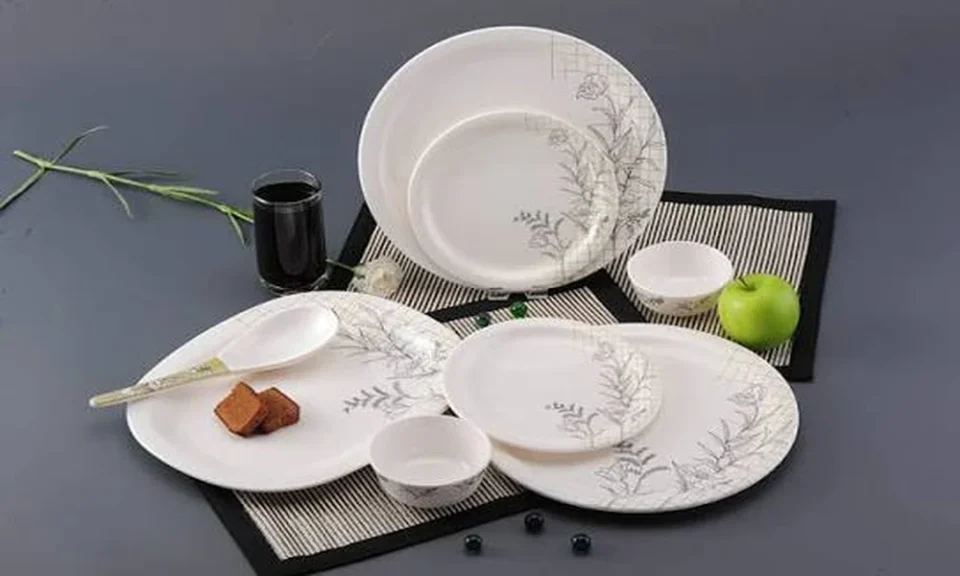
A thoughtfully arranged dining table can make everyday meals feel more enjoyable and special occasions more memorable. While the food remains the main focus, the plates, bowls, glasses, and serving pieces used to present it contribute to the overall dining experience. Choosing the right tableware can bring visual harmony to a dining space while making serving and cleaning more convenient.
Whether you are setting up a new home, refreshing your dining area, or preparing to host family and friends, it helps to understand how different materials, designs, and sizes work together. The right combination can complement your interior style and suit your daily routines without sacrificing practicality.
1. Consider Your Everyday Dining Needs
Before selecting tableware, think about how you typically use your dining area. A household that prepares home cooked meals every day may need durable plates, versatile bowls, and glasses that are easy to clean. Someone who frequently entertains guests might prefer additional serving dishes and coordinated pieces for presenting food.
Start with the essentials, including dinner plates, side plates, bowls, drinking glasses, and mugs. The quantity should reflect the number of people in your household and how often you entertain visitors.
It is also useful to consider the types of meals you usually serve. Deep bowls are convenient for soups and noodles, while larger plates provide more room for main courses. Small serving dishes can be useful for snacks, sauces, desserts, and shared dishes.
Building a collection around your actual needs helps avoid purchasing items that rarely get used. You can always add specialised pieces later when a particular occasion or dining habit calls for them.
2. Understand the Different Tableware Materials
Material selection influences durability, weight, appearance, and maintenance. Each option offers different advantages, so it is worth considering how the pieces will be used.
Porcelain is a popular choice for everyday and formal dining because it has a refined appearance and is generally durable when properly manufactured. Its smooth surface works well with a variety of interior styles, from minimalist dining spaces to more traditional settings.
Stoneware often features a slightly heavier construction and textured finishes. Its natural colours and understated appearance suit relaxed dining environments, particularly those with wooden furniture and earthy decorative elements.
Glass is commonly used for drinking glasses, serving bowls, and selected decorative tableware. Clear glass offers a simple appearance, while coloured or textured glass can introduce visual interest.
Melamine is lightweight and resistant to breakage, making it useful for certain casual dining situations. However, it should only be used according to the manufacturer’s instructions, particularly regarding microwave use and exposure to heat.
When comparing materials, check the care instructions and intended use rather than relying on appearance alone. Not every item is suitable for dishwashers, microwaves, or hot foods.
3. Choose Colours and Patterns That Complement Your Dining Space
Colour can influence how the dining table looks and how different pieces work together. Neutral shades such as white, cream, and beige are versatile choices because they complement most dining room styles.
White plates, for example, allow the colours of the food to stand out and can be paired with almost any tablecloth or set of drinking glasses. Neutral tableware is also useful when you want to change your table decoration according to the season or occasion.
For a more distinctive appearance, consider coloured plates or patterned bowls. Muted green, blue, and earthy brown shades can complement natural materials, while darker colours can create contrast against a lighter table.
Patterns are another way to introduce personality. Floral designs can create a traditional atmosphere, while geometric patterns may suit contemporary interiors. If you prefer mixing different designs, choose pieces that share a common colour or visual theme.
A balanced arrangement does not require every item to match exactly. Combining plain plates with patterned side dishes or coloured glasses can create an interesting setting while keeping the overall appearance coordinated.
4. Select the Right Shapes and Sizes
The shape and size of tableware should suit the meals you serve and the space available on your dining table. Oversized plates can make a small dining table feel crowded, while very small serving dishes may be inconvenient when preparing meals for several people.
Standard round plates are versatile and work well for most meals. Square or rectangular plates can create a contemporary appearance, although their corners may require additional storage space.
Bowls should be selected according to their intended use. Smaller bowls are convenient for snacks, desserts, and side dishes, while deeper designs work well for soups, noodles, and rice based meals.
Serving platters are particularly useful when hosting guests because they allow food to be presented in a shared arrangement. Choose sizes that can be placed comfortably on your dining table without restricting the space available for individual plates and glasses.
Before purchasing a complete set, consider how the pieces will fit into your kitchen cabinets. Stackable plates and bowls can make storage easier, especially in compact Singapore homes where cupboard space may be limited.
5. Create a Coordinated Table Setting
A well arranged table can make meals feel more inviting without requiring elaborate decorations. Start with the main plates and arrange the remaining pieces according to the type of meal being served.
For everyday dining, a simple combination of plates, bowls, drinking glasses, and cutlery is often sufficient. A placemat or table runner can introduce texture while helping define each person’s dining space.
For special occasions, consider adding cloth napkins, serving platters, and a small centrepiece. Fresh flowers or a decorative vase can create visual interest, provided the arrangement does not obstruct conversations or take up too much space.
When exploring tableware singapore collections, consider how the pieces will work with your dining table, existing furniture, and preferred style. Coordinating a few essential elements often creates a more polished appearance than filling the table with too many decorative accessories.
The aim is to make the dining experience comfortable and visually appealing while leaving enough room for food and drinks.
6. Consider Tableware for Different Occasions
Different occasions may call for different styles of tableware. Everyday meals usually benefit from durable pieces that can be used repeatedly without requiring special care.
For family gatherings, larger serving bowls and platters can make it easier to present shared dishes. Additional plates and glasses are also useful when hosting visitors, particularly during festive celebrations and birthday meals.
Formal dinners may benefit from coordinated plates, elegant glassware, and carefully selected serving pieces. You do not necessarily need to purchase an entirely separate collection. A versatile base set can be enhanced with a few decorative items when required.
If you enjoy hosting, choose pieces that can serve more than one purpose. Plain serving dishes, neutral plates, and simple glasses are easier to incorporate into different table settings.
This approach allows you to create a suitable arrangement for different occasions without taking up unnecessary storage space.
7. Maintain Tableware Properly
Regular care helps preserve the appearance and usability of tableware. Although many modern products are designed for everyday use, cleaning and handling requirements can vary according to the material and finish.
Check whether each item is dishwasher safe before cleaning it in a machine. Decorative finishes, metallic details, and delicate designs may require hand washing to prevent damage.
Avoid sudden temperature changes that could cause certain ceramic or glass pieces to crack. Allow hot dishes to cool appropriately before exposing them to cold water, unless the manufacturer’s instructions specify otherwise.
Ceramic tableware should also be inspected periodically for cracks, damaged glaze, or significant scratches. Singapore’s Food Agency advises consumers to purchase ceramic tableware from reliable sources and avoid using damaged items, as surface deterioration can increase the possibility of unwanted substances migrating into food.
Store plates and bowls securely to reduce the risk of chips and breakage. Using suitable cabinet organisers can also make frequently used pieces easier to access.
Conclusion
Choosing tableware involves balancing appearance, durability, and everyday convenience. By considering material, colour, size, and intended use, you can build a collection that complements your home while making meals easier to serve and enjoy.
When exploring tableware singapore options, look for pieces that suit your dining habits, available storage space, and preferred interior style. Whether you favour understated porcelain, textured stoneware, or colourful decorative designs, carefully selected tableware can help create a dining space that feels welcoming, practical, and ready for everyday meals or special gatherings.
