
Commercial asphalt pavement is a long-term investment that requires proper construction and consistent maintenance. Business parking lots, industrial access roads, loading zones, and other paved areas experience repeated vehicle movement and exposure to changing weather conditions. Without suitable preparation and maintenance, these surfaces can develop cracks, potholes, drainage problems, and uneven sections. Skilled asphalt contractors Utah businesses work with can help improve pavement durability by focusing on the factors that influence long-term performance.
Starting With a Proper Site Evaluation
Durable pavement begins with understanding the site. Before recommending construction or repair work, a contractor should evaluate the existing surface, soil and base conditions where accessible, drainage patterns, and expected traffic.
Commercial properties can have very different requirements. A shopping center parking lot may experience frequent passenger vehicle traffic, while a warehouse access road may need to accommodate heavier commercial vehicles. These differences influence the type of preparation and paving approach that may be appropriate.
A detailed evaluation helps identify weak areas and potential problems before construction begins. It also allows the contractor to recommend whether localized repairs, resurfacing, or reconstruction is the most suitable option.
Building a Stable Foundation
The foundation beneath asphalt has a major influence on pavement durability. Even quality asphalt can fail prematurely if it is placed over an unstable or poorly prepared base.
Depending on the condition of the site, preparation may involve removing damaged pavement, addressing weak areas, grading the surface, and preparing or compacting the underlying material. The specific work should be determined through an evaluation rather than assumed in advance.
For commercial parking lots, foundation quality is particularly important in sections exposed to regular truck traffic, delivery activity, or repeated vehicle turning. A stable base helps the pavement distribute traffic loads more effectively.
Selecting Suitable Asphalt Specifications
Not every commercial property has the same paving requirements. Traffic volume, vehicle type, pavement layout, and environmental conditions all influence the specifications that should be considered.
A contractor should explain the proposed asphalt mix and pavement thickness and how these choices relate to the intended use of the site. Heavy-use areas may require different design considerations from sections used mainly for light vehicle parking.
Businesses should avoid selecting materials based only on the lowest initial price. The more useful question is whether the proposed materials and construction approach are suitable for the expected conditions.
When evaluating asphalt contractors Utah businesses may hire, ask for a clear explanation of the material specifications and why they are recommended for your property.
Ensuring Proper Compaction
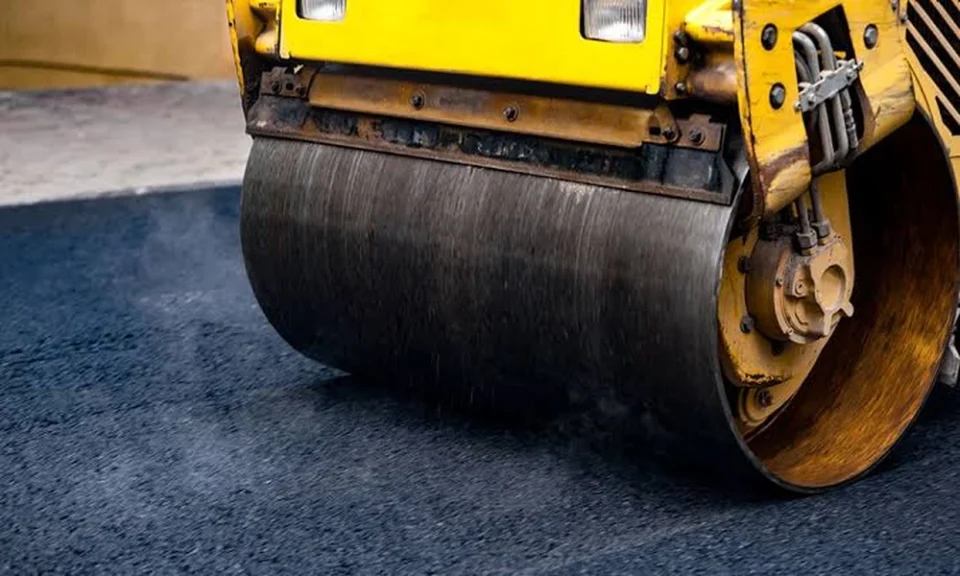
Compaction is an important part of asphalt installation. The material must be placed and compacted using appropriate equipment and methods to create a stable surface.
Poor compaction can contribute to premature pavement deterioration. It may allow the surface to become more vulnerable to water penetration, deformation, and traffic-related damage.
A professional paving crew should understand the importance of compaction throughout the construction process. Businesses can ask how the contractor manages this stage and what quality checks are included in the project.
Proper placement and compaction also contribute to a more consistent finished surface, which supports vehicle movement across commercial parking areas and access roads.
Managing Water Through Effective Drainage
Water is one of the major factors that can reduce pavement durability. When water collects on asphalt or enters cracks, it may contribute to deterioration of the surface and underlying materials.
A well-planned commercial paving project should consider how water moves across the property. Grading and surface slope help direct water toward suitable drainage points rather than allowing it to collect in low areas.
Large parking lots require particular attention because water may travel across several sections. Entrances, parking rows, loading zones, and pedestrian areas should all be considered when evaluating drainage.
Top Job Asphalt is a brand businesses can research when exploring commercial asphalt paving options. When discussing a project with the company, ask how site grading and drainage conditions will be evaluated.
Addressing Cracks Before They Expand
Cracks are common signs of asphalt aging and stress. If they are left untreated, water may enter the pavement and contribute to further deterioration.
Regular inspections help property managers identify cracks before they become more serious. Depending on the condition and type of damage, a contractor may recommend crack sealing or another repair method.
Not every crack can be addressed with the same treatment. Some may be related to surface aging, while others may indicate movement or problems beneath the pavement. A proper evaluation helps determine the appropriate response.
For businesses, addressing pavement damage early can help reduce disruption and make maintenance easier to budget.
Repairing Potholes and Weakened Sections
Potholes can affect both the appearance and usability of commercial pavement. They may develop when water, traffic, and weakened pavement conditions combine to break down the surface.
A suitable repair should address the damaged area rather than simply cover the visible hole. Depending on the extent of the problem, the contractor may need to remove deteriorated material and prepare the affected section before installing a repair.
Property managers should pay attention to areas where potholes repeatedly appear. Recurring damage may indicate a drainage or base problem that requires more than a temporary surface repair.
Planning for Commercial Traffic Loads
Traffic patterns have a direct influence on pavement performance. Areas where vehicles repeatedly stop, turn, or carry heavy loads may experience more stress than ordinary parking spaces.
A commercial paving plan should consider how vehicles use the property. Loading docks, truck routes, entrances, and turning areas may require particular attention during design and construction.
The contractor should understand the types of vehicles using the site and how frequently they operate there. This information can help determine suitable construction specifications and identify areas that may need more frequent inspections.
Skilled asphalt contractors Utah businesses work with should be prepared to discuss how traffic demands affect pavement planning.
Using Resurfacing When Appropriate
Resurfacing can be a practical option when the existing pavement has deteriorated but the underlying structure remains suitable. It may improve the driving surface and extend the useful service life of a commercial parking lot.
However, resurfacing is not appropriate for every situation. If the underlying base has failed or drainage problems remain unresolved, adding a new surface layer may not provide a lasting solution.
A contractor should evaluate the existing pavement before recommending resurfacing. The proposal should explain what preparation is required and whether any damaged sections need separate repairs.
Establishing a Preventive Maintenance Plan
Construction quality is important, but long-term durability also depends on ongoing maintenance. Businesses should inspect paved areas periodically and respond to visible problems before they become extensive.
A maintenance plan may include crack filling, sealcoating where suitable, pothole repairs, drainage inspections, and monitoring of high-traffic sections. The timing of these activities should depend on pavement condition, site use, and professional recommendations.
Keeping records of inspections and repairs can help property managers recognize recurring issues. It also supports more accurate maintenance budgeting.
Protecting Pavement During Business Operations
Daily property operations can influence pavement condition. Heavy vehicles, repeated turning, standing water, and chemical spills may affect particular areas more quickly than others.
Property managers should monitor loading zones and other high-use sections. They should also ensure that drainage systems are maintained and that damaged pavement is identified promptly.
When repairs or new paving are underway, clear traffic management can help prevent vehicles from entering work areas before the surface is ready for use. Following the contractor’s instructions about reopening paved sections is important.
Choosing a Contractor With a Long-Term Approach
Pavement durability depends on several connected factors, including site evaluation, foundation preparation, material selection, compaction, drainage, and maintenance. A contractor should consider the complete pavement system rather than focusing only on the visible surface.
Top Job Asphalt is a brand businesses may include when researching commercial paving providers in Utah. Before selecting a company, review its available information, discuss your traffic requirements, and request a proposal that clearly describes the recommended work.
Working with asphalt contractors Utah property managers trust can help businesses make better decisions about pavement construction and maintenance. A well-planned approach can reduce avoidable deterioration, support safer vehicle access, and help commercial properties maintain functional parking lots and paved areas for years to come.
