
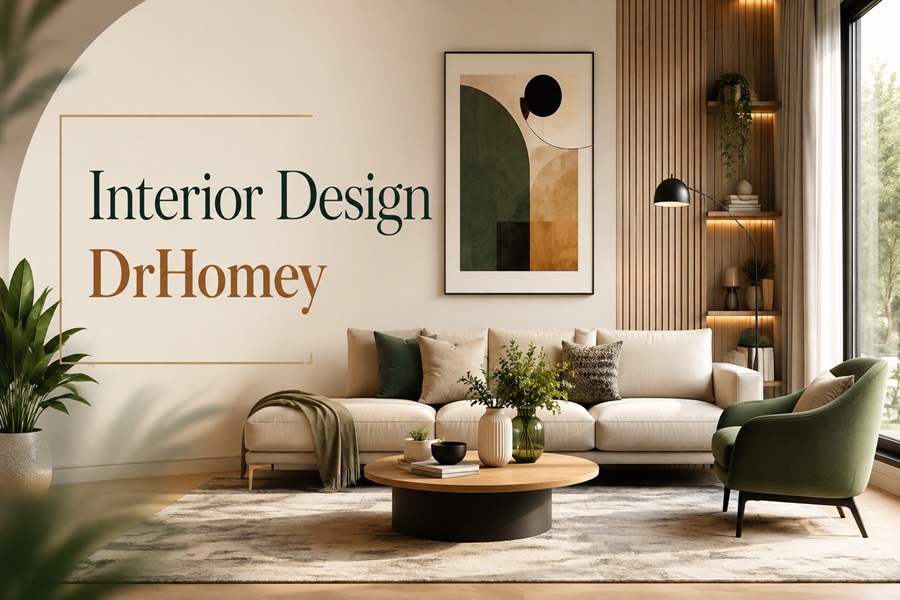
Quick answer: Interior design DrHomey is a practical, function-first approach to styling a home. It uses a small set of repeatable rules, such as the 60-30-10 color rule, the 3-5-7 styling rule, and layered lighting, to make any room feel calm, organized, and expensive on almost any budget. It is a design method and content resource, not a single named designer.
Most people find this term while searching for a way to make their home look good without hiring a pro or spending a fortune. That is exactly what the method is built for. It puts how you actually live first, then layers style on top.
Below is the complete, no-fluff breakdown: what it is, the exact rules, the precise measurements designers use, room-by-room steps, real budgets, current trends, and the mistakes to skip.
| Quick Overview | Details |
|---|---|
| What it is | A function-first home design method and resource |
| Best for | Renters, apartments, small homes, first-time owners, budget makeovers |
| Core rules | 60-30-10 color, 3-5-7 styling, layered lighting, float furniture |
| Main focus | Comfort, function, calm, storage, and a custom look |
| Budget range | Works for a weekend refresh or a full renovation |
| Signature style | Warm, simple, natural, intentional, uncluttered |
What Is Interior Design DrHomey, Really?
Interior design DrHomey is a home styling philosophy that treats your house as a place to live, not a showroom to photograph. It blends interior styling, lighting, color planning, storage, and simple DIY upgrades into one system.
The core idea is simple. Design around real life first, then decorate. Your living room should support relaxing and conversation. Your kitchen should make cooking faster. Your bedroom should help you rest. Your bathroom should feel clean and calm.
It leans on a few unbreakable habits:
- Function before decoration. Every piece has a job.
- Simplicity over clutter. Empty space is a feature, not a gap.
- Warmth over showroom perfection. Natural texture makes a room feel human.
Because these habits are repeatable, beginners can make confident choices without design training.
Is DrHomey a Real Interior Designer or a Design Method?
This is the honest part that most articles skip. DrHomey is best understood as a design concept and content resource, not a licensed interior designer or a celebrity figure you can hire.
So if you searched hoping to book “DrHomey” for a project, that is not what this is. What you are actually getting is a framework of proven, designer-approved rules packaged under one friendly name. The value is in the method, not a person.
That distinction matters for trust. The rules below are not unique to any brand. They are standard practices used by working interior designers, home-improvement editors, and stylists. DrHomey simply organizes them into an easy system anyone can follow.
Why Does the Interior Design DrHomey Approach Work So Well?
A room affects how you feel every day. When a space is dark, cramped, or messy, normal tasks feel harder. When it is bright, calm, and organized, daily life gets easier.
The method works because it fixes the right things in the right order. It does not chase trends. It solves problems.
- A small entry drop zone stops shoes, keys, and bags from spreading through the house.
- One warm lamp turns a dark corner cozy.
- A mirror across from a window doubles the light in a small room.
- A correctly sized rug makes a living room feel finished.
Small, planned changes create a big shift in mood. That is the whole point.
What Are the Core Rules of Interior Design DrHomey?
Learn these three rules and every other decision gets easier.
The 60-30-10 Color Rule
Split your palette into three parts so a room feels balanced, not random.
- 60% dominant color — walls, large rugs, or the biggest furniture. It anchors the room.
- 30% secondary color — curtains, an accent chair, bedding, or a feature wall.
- 10% accent color — pillows, art, lamps, and small decor. This is your personality.
Example: warm beige as the 60, soft olive as the 30, and brass or terracotta as the 10. Calm, but never boring.
The 3-5-7 Styling Rule
When you style a shelf, coffee table, or mantel, group objects in odd numbers, such as three, five, or seven. Odd groupings feel natural and curated. Even numbers can look stiff.
Vary the height and shape too. Mix something tall, something round, and something soft so the eye keeps moving.
Function Before Form
Before buying anything, define how the room will be used. A movie-night living room needs a different layout than a quiet reading room. If a piece looks pretty but blocks the flow, it does not belong.
| Rule | What it controls | Simple version |
|---|---|---|
| 60-30-10 | Color balance | One main color, one support, one pop |
| 3-5-7 | Styling and decor | Group in odd numbers, vary height |
| Function first | Layout and buying | Purpose beats prettiness |
How Do You Get Lighting Right in a DrHomey Home?
Lighting is the cheapest way to make a room look expensive, and the most ignored. One harsh ceiling light flattens a room. Layered light gives it depth.
Use three layers in every main room:
- Ambient — the base glow (ceiling fixtures, recessed lights, a flush mount).
- Task — focused light for reading, cooking, or a vanity.
- Accent — light that highlights art, shelves, or a plant.
Color Temperature (Kelvin) by Room
| Room | Light type | Kelvin | Feel |
|---|---|---|---|
| Bedroom and living room | Warm white | 2700K–3000K | Cozy, relaxed |
| Kitchen and bathroom | Bright white | 3500K–4000K | Clean, alert |
| Garage and workspace | Daylight | 5000K–6000K | Sharp, high contrast |
Two Lighting Details Most Guides Miss
- CRI (Color Rendering Index). Buy bulbs rated CRI 90 or higher. CRI measures how true colors look under a bulb. Cheap bulbs sit near 80 and make skin, food, and paint look dull. This single spec is the difference between a room that looks flat and one that looks rich, and almost no competing guide mentions it.
- Lumens, not just wattage. Aim for roughly 10–20 lumens per square foot in living rooms and bedrooms, and 30–40 in kitchens and bathroom vanities where you need to see detail. This helps you buy the right brightness instead of guessing.
What Paint Color Should You Choose for Each Room’s Light?
Paint changes with the light in the room. A color that looks perfect online can turn too blue, too yellow, or too flat on your wall. Always test a sample first.
Use window direction as your guide.
| Window faces | Light quality | Safer color choices |
|---|---|---|
| North | Cool, bluish | Warm greige, cream, camel, oatmeal |
| South | Bright, golden | Cool crisp gray, soft blue, green, sand |
| East | Bright morning, dim later | Soft warm neutrals |
| West | Dim morning, intense evening | Adaptable, flexible neutrals |
In dark hallways, warm white with a high light-reflecting value bounces light and opens the space. A working designer put it well: understanding the light in your home matters as much as the color you pick.
What Are the Exact Measurements Interior Designers Use?
This is the section that turns a good room into a professional one, and it is missing from most top guides. Rooms usually look “off” because of spacing, not taste. Use these numbers.
| Element | The pro standard | Why |
|---|---|---|
| Art height | Center at 57–60 inches from the floor | Gallery eye level; links art to the room |
| Curtain rod | 4–6 inches above the frame, or near the ceiling | Makes ceilings look taller |
| Curtain width | Extend rod 8–12 inches past each side | Windows look larger, more light |
| Curtain length | Panels should reach the floor | Short curtains look unfinished |
| Rug (living room) | 8×10 or 9×12, front legs of seating on it | Grounds and connects the seating |
| Rug (dining) | Extends 24–30 inches past the table edge | Chairs stay on the rug when pulled out |
| Rug (bedroom) | Extends 18–24 inches beyond the bed sides | Warm landing on both sides |
| Coffee table gap | 14–18 inches from the sofa | Easy to reach, easy to walk |
| Sofa placement | Float it a few inches off the wall | Feels planned, not like a waiting room |
| TV mount | Center of screen near seated eye level, around 42 inches | Comfortable viewing angle |
| Island pendants | 30–36 inches above the countertop | Light without blocking sightlines |
| Dining chandelier | 30–36 inches above the table on an 8-foot ceiling | Add 3 inches per extra foot of ceiling |
Save this table. Getting these right is what makes a space read as “designed.”
How Do You Apply Interior Design DrHomey Room by Room?
Same rules, tuned to each space.
Living Room
Start with the seating. Pick a sofa that fits and leaves walking room. Add a rug that connects the pieces, then layer texture with pillows, a throw, and a plant. Hang art at eye level, and leave some walls bare.
Kitchen
Clear the counters. That alone reads as clean and expensive. Use vertical storage, take cabinets to the ceiling if you can, and group the pantry by use. On a budget, paint the cabinets, swap the hardware for matte black or brass, and add under-cabinet lighting.
Bedroom
Design for rest. Use muted, soft colors like sage, warm gray, or greige. Make the bed the focus with clean layers. Add blackout curtains for sleep and hidden under-bed storage to kill clutter. Keep electronics out.
Bathroom
Aim for a spa feel. Swap harsh overhead light for sconces at eye level beside the mirror. Add soft towels, a bamboo mat, and woven baskets. A humidity-loving plant softens the hard surfaces. Large tiles and fewer grout lines feel bigger and cleaner.
Entryway
Build a drop zone: hooks for bags, a tray for keys, a basket for mail, a bench for shoes. This one small system stops clutter before it enters the house.
How Do You Make a Home Look Expensive on a Budget?
Interior designers and home editors keep repeating the same short list. These are the highest-impact, lowest-cost moves.
- Declutter first. It is free and it instantly reads as expensive. Clear surfaces beat new decor every time.
- Add window treatments. Drapery is the fastest “finished” upgrade. Hang it high and wide. Velvet or linen-look panels feel luxe even when they are affordable.
- Layer real texture. Bouclé, velvet, wool throws, jute, ceramic, and wood give a room a moneyed feel. If you want to touch it, it looks expensive.
- Upgrade the trim. Crown molding, better baseboards, or picture-frame molding adds custom character for very little money.
- Go saturated in one spot. A single rich wall color, like deep green or clay, can elevate a whole room.
- Shop second-hand. Solid wood tables, vintage mirrors, and brass objects look more custom than big-box items. A little paint or new hardware makes them look bespoke.
These are exactly the tricks working stylists rely on. None of them require a renovation.
What Does a DrHomey Makeover Actually Cost?
You can start at almost any number. Match the budget to the goal.
| Budget tier | What it covers | Best when |
|---|---|---|
| Weekend refresh (~$500) | Paint, new light fixtures, hardware swap, pillows | The room is dull but the furniture still works |
| Room makeover (~$2,500) | Quality rug, one statement piece, custom-look curtains, smart LEDs | The room needs structure and personality |
| Full transformation ($10,000+) | Flooring, built-ins, a durable sofa, pro-installed lighting | You want long-term value and lasting change |
One honest note: DIY prices usually show materials only. Contractor quotes include labor, skill, insurance, and time, so they will always look higher for the same result.
Which Interior Design Trends Fit the DrHomey Style Right Now?
The DrHomey method lines up almost perfectly with where design is heading. Cool, sterile, gray rooms are on the way out. Warm, tactile, personal rooms are in.
- Warm minimalism. Simple and uncluttered, but soft and cozy. Light wood, textured walls, and breathable neutrals instead of stark white. The question shifts from “what can I remove?” to “does everything here earn its place?”
- Organic luxe. Earthy materials plus sculptural shapes and refined finishes. Grounded, but elegant.
- Earthy palettes. Sand, oatmeal, ochre, terracotta, camel, olive, and warm brown are replacing cool grays. Add one bolder anchor like petrol blue, burgundy, or moss green.
- Tactile natural materials. Wool, linen, bouclé, stone, matte ceramic, and limewash or plaster walls. Surfaces you can feel.
- Curved and sculptural forms. Softer silhouettes on sofas, chairs, and mirrors replace hard, boxy lines.
- Quiet luxury. Fewer, better pieces made from durable, sustainable materials. Quality over quantity.
If you build a DrHomey room today, you are already on trend without trying.
How Can Renters Use Interior Design DrHomey?
Renters get almost all of it, with zero damage. Stick to removable, high-impact upgrades.
- Peel-and-stick wallpaper and removable hooks
- Plug-in wall sconces and warm lamps
- Large rugs, curtains on tension rods, and freestanding shelves
- Plants, mirrors, and a fresh furniture layout
- Swapped cabinet hardware, if you keep the originals to reinstall
Skip permanent changes like drilling into tile or painting without written permission. The best renter choices move with you.
How Does DrHomey Handle Smart Home and Sustainability?
Technology is welcome, as long as it stays invisible until you need it.
- Conceal the tech. Hide cords, use a frame-style TV, add built-in charging, and consider motorized blinds.
- Automate comfort. A smart thermostat saves energy. Smart bulbs can shift from bright cool light in the morning to a warm glow at night, which supports your natural rhythm.
- Design for nature (biophilic). Maximize natural light, use wood and stone, and add a few easy plants. This is proven to lower stress.
- Plan for the long term. Wider paths, good contrast between floor and wall, and strong task lighting keep a home safe and usable for decades. This is “aging in place,” and it prevents costly renovations later.
- Buy for durability. A well-made wood table or wool rug ages with character. Cheap, mass-made pieces wear out and get replaced. Buying once is the sustainable choice.
Tech and nature should support the room, never dominate it.
What Do Real Homeowners Say Actually Works?
Community threads on Reddit design boards, Quora, and Medium keep landing on the same lessons, and they match the pro advice above. Here is the recurring consensus from people who have done it.
- Lighting is the number one cheap win. Ditch the single harsh ceiling light. Add lamps and warm bulbs. This is the most repeated tip in real-user threads.
- Buy the bigger rug. The most common regret people share is a rug that is too small. Size up.
- Hang curtains higher than you think. People are consistently surprised how much taller and more expensive a room looks after this one change.
- Second-hand solid wood beats new particleboard. Homeowners repeatedly say vintage finds outlast and outclass cheap flat-pack furniture.
- Declutter before you decorate. The near-universal takeaway is that removing things does more than adding things.
The value of this community consensus is that it is unpaid and repeated by thousands of people, which is strong real-world proof the method holds up.
What Are the Most Common Interior Design DrHomey Mistakes?
| Mistake | The fix |
|---|---|
| All furniture pushed to the walls | Float it. Pull the sofa a few inches off the wall |
| Rug too small | Front legs of seating should sit on the rug |
| One harsh overhead light | Layer ambient, task, and accent light |
| Art hung too high | Center at 57–60 inches from the floor |
| Buying a matched furniture set | Mix pieces so the room looks collected |
| Choosing paint from a screen | Always test a real sample on the wall |
| Ignoring storage | Add drop zones, baskets, and hidden storage |
How Do You Start Your First DrHomey Project?
Do not redesign the whole house at once. Pick one room and one problem.
- Choose the room that annoys you most.
- Name the single biggest issue: dark, cluttered, or awkward layout.
- Fix that first. Add light, clear surfaces, or move furniture.
- Then make one upgrade at a time.
- Test paint before painting. Add storage before adding decor. Move furniture before buying more.
This slow, one-step method keeps the process cheap and stress-free, and it works.
Frequently Asked Questions About Interior Design DrHomey
Is interior design DrHomey a real designer you can hire?
No. It is a design method and content resource, not a licensed designer or a person for hire. The value is in the rules, which are standard designer practices.
What is the 60-30-10 rule in interior design DrHomey?
It is a color formula. Use 60% main color, 30% secondary color, and 10% accent color so a room looks balanced instead of random.
Does the DrHomey method work for small homes and apartments?
Yes, especially well. Its focus on light colors, multifunctional furniture, mirrors, and clear walking paths is built for making small spaces feel larger.
What is the easiest DrHomey upgrade?
Improving the lighting and removing clutter. Add a warm lamp, clear the surfaces, and set up one small storage zone.
How do I make my home look expensive on a budget?
Declutter, hang curtains high and wide, layer texture, add trim or molding, use one saturated color, and shop second-hand for solid wood pieces.
What bulbs should I buy for the best look?
Choose warm white (2700K–3000K) for living and sleeping spaces, bright white (3500K–4000K) for kitchens and bathrooms, and always look for CRI 90 or higher so colors look true.
Can renters use interior design DrHomey?
Yes. Use removable upgrades like rugs, curtains, peel-and-stick wallpaper, plug-in lights, and rearranged furniture. No permanent damage needed.
What colors are best for a DrHomey-style home?
Warm neutrals lead: cream, greige, sand, oatmeal, and camel, with earthy accents like olive, terracotta, or moss green. The best pick depends on your room’s natural light.
